
What we install
Shingle, metal, tile and flat.
Over twenty-five years building custom homes. We know how important your roof is, and how to get it right.
Residential
Architectural asphalt shingle.
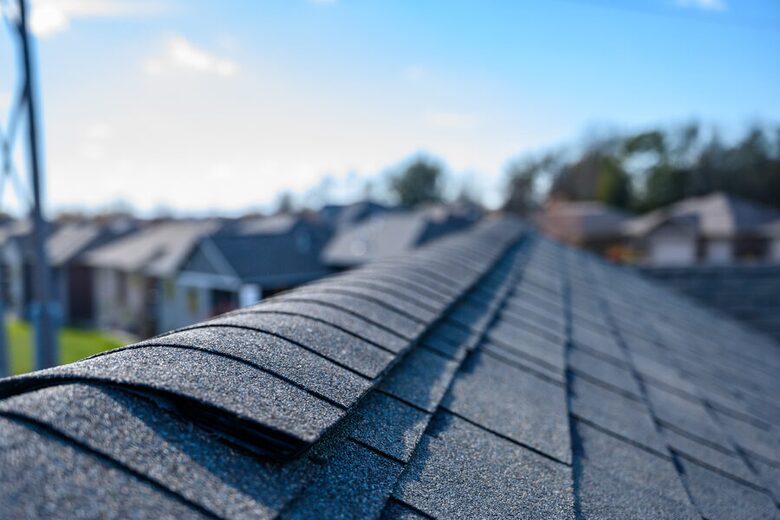
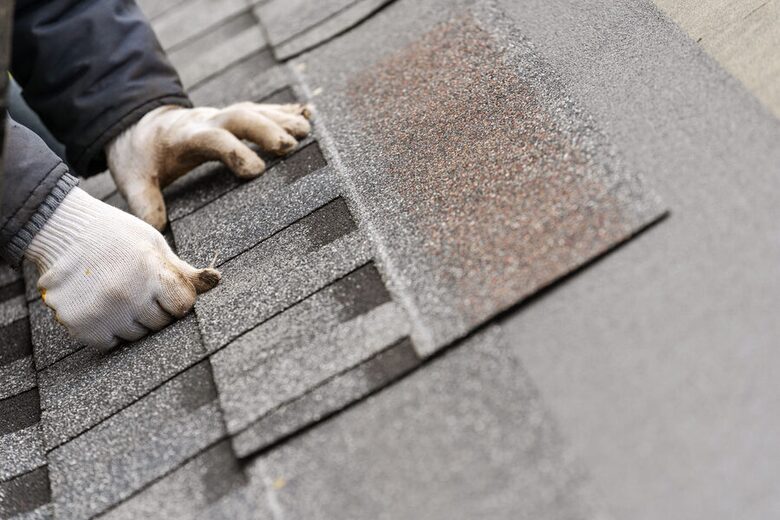
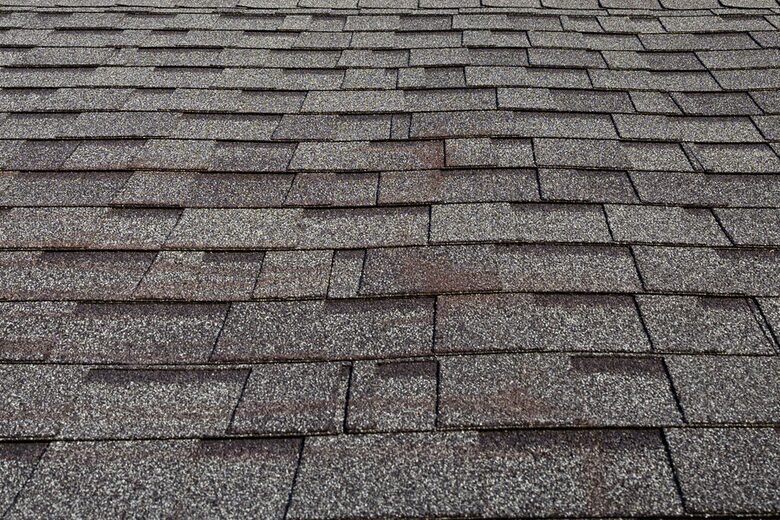
What most Texas homes have, and for good reason. Architectural shingle handles heat and hail better than the flat three-tab it replaced. It comes in enough colors to suit any elevation, and when a section fails you can repair it instead of replacing the whole roof.
Metal
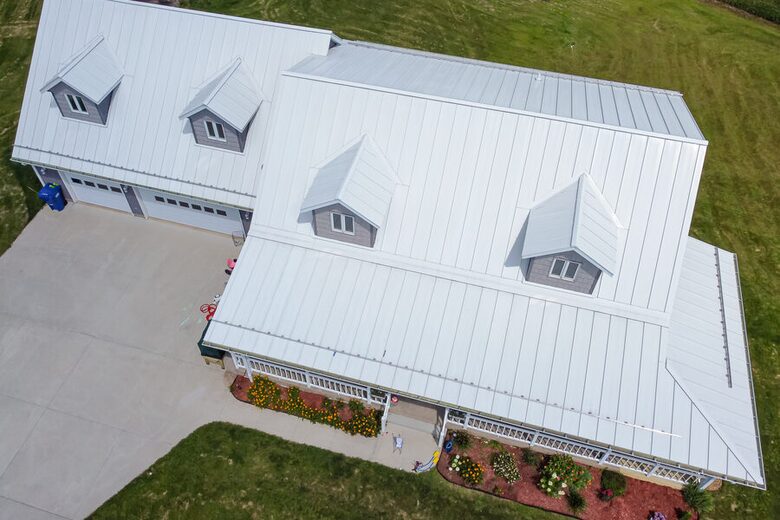
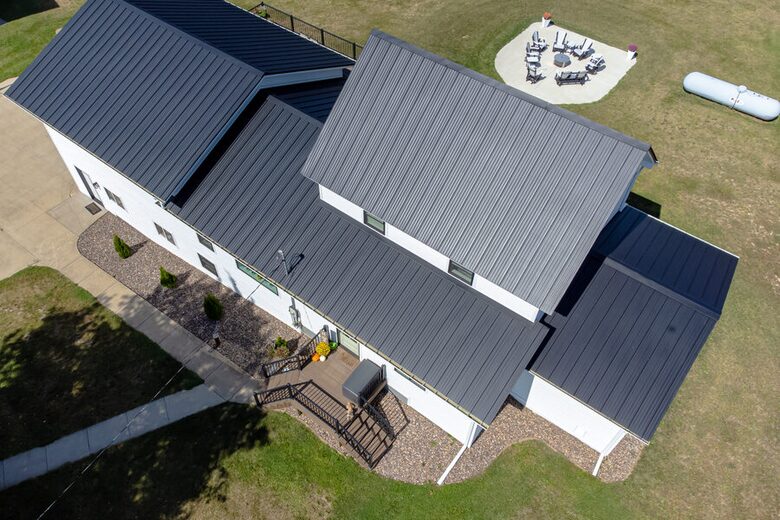
Standing seam.
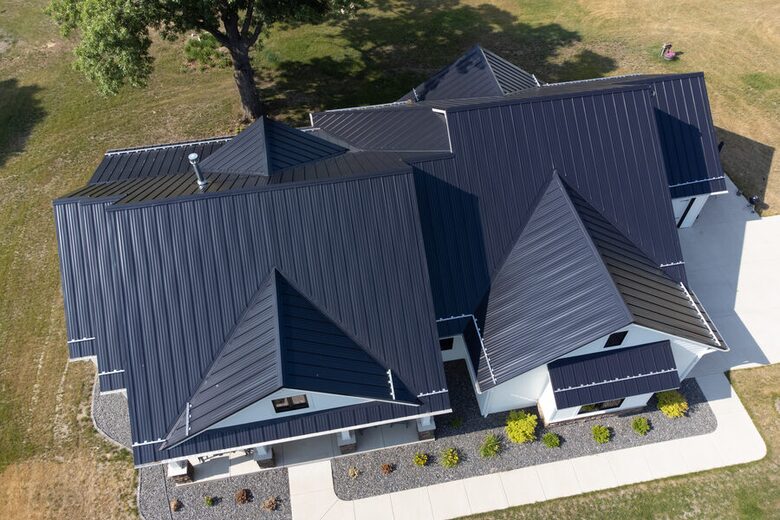
Panels run unbroken from ridge to eave and the fasteners sit hidden under the seam, so there's nothing on the surface for water to find. It costs more up front and lasts far longer. With standing seam the details decide everything. The panels are the easy part.
Residential
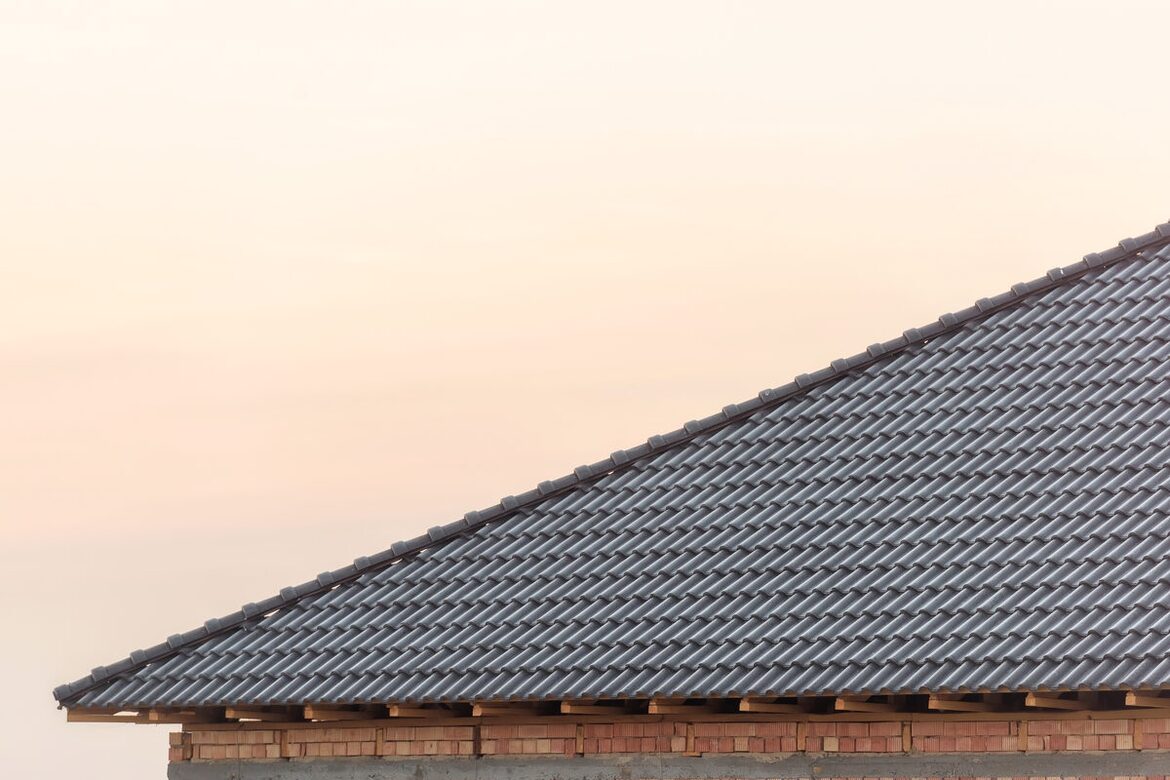
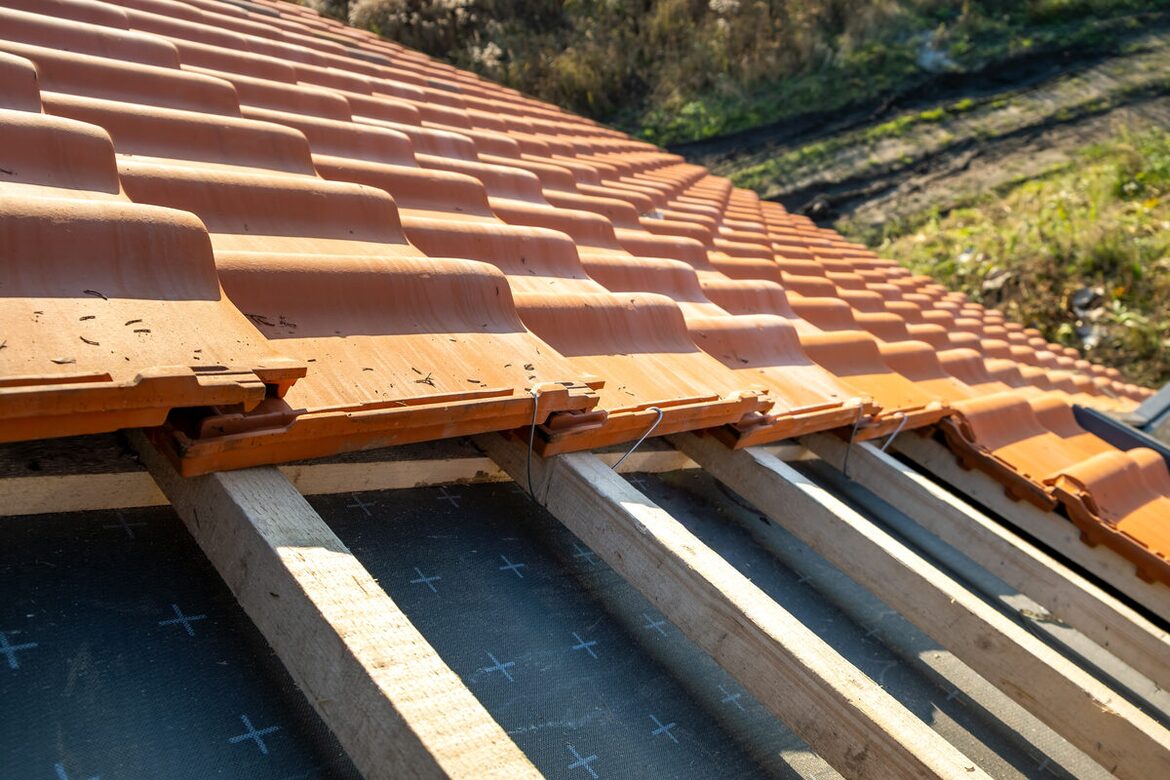
Clay and concrete tile.
Tile outlasts almost everything else on this page. Fifty years is ordinary, and a cracked tile can be swapped out without opening up the roof. The catch is what sits underneath. The underlayment usually gives out long before the tile does, so a tile roof can leak while it still looks perfect from the street.
Commercial
Flat and low-slope.
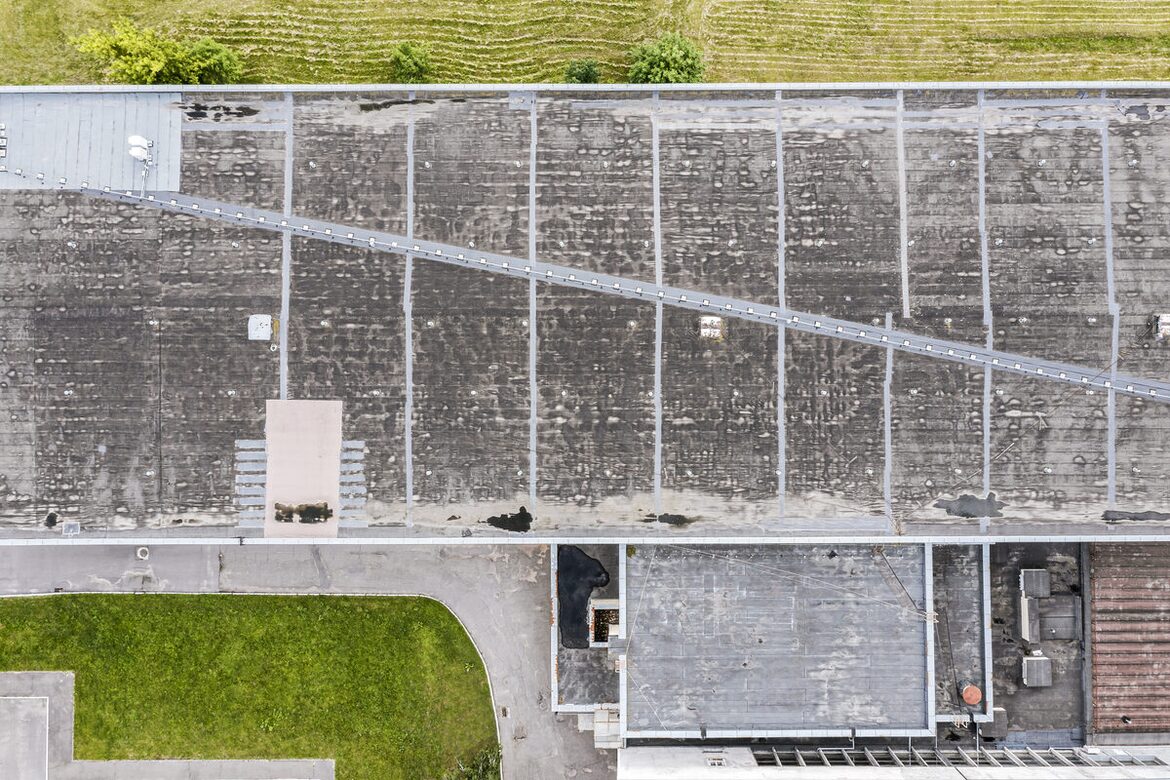
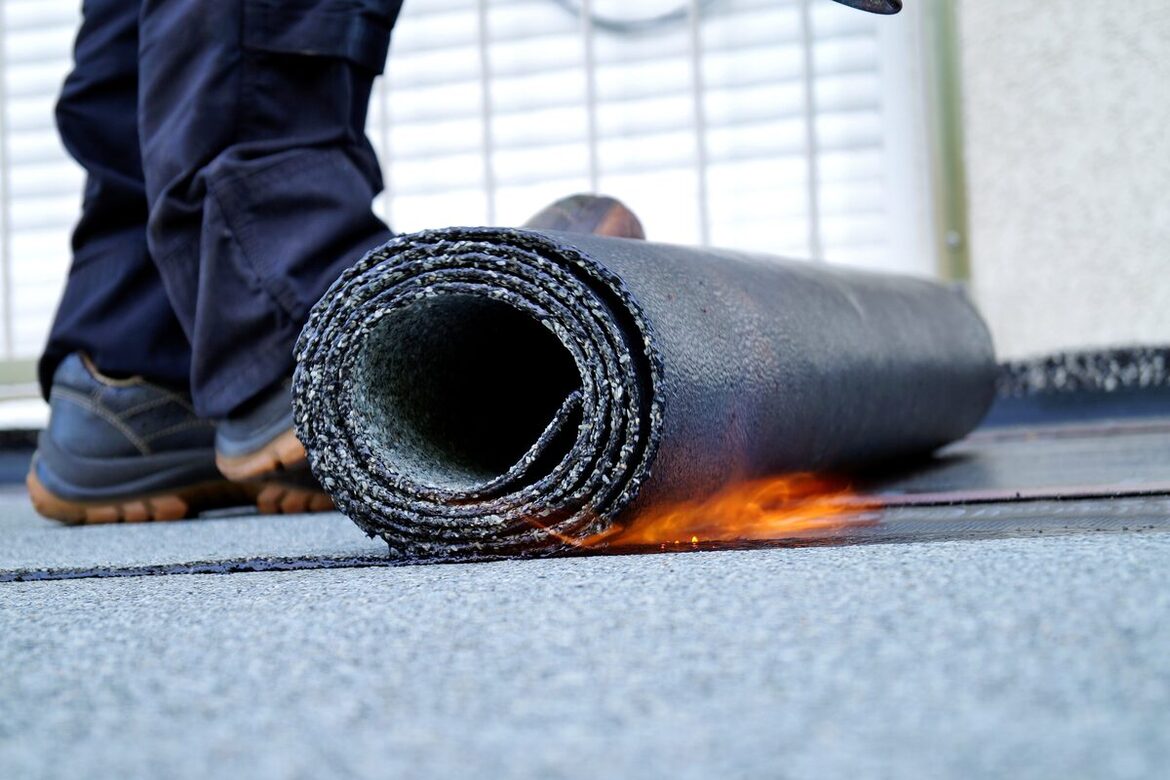
On a pitched roof the water runs off by itself. On a flat one it sits, so the seams, the flashing and the drainage decide whether the roof works at all. These roofs reward being looked at twice a year and punish being ignored. We'd rather be on a maintenance schedule with you than meet you after the ceiling comes down.
Which one
Which suits your house.
Shingle is the right answer for most houses. It costs less, it matches the street, and a good one lasts a long time. Metal earns its price on a roof that's hard to reach, on a low pitch where shingle struggles, or when you want to stop thinking about the roof for thirty years.
Tile is usually decided for you, by the house or by what's already up there. If you have it, the question is rarely whether to keep it. It's almost always what condition the underlayment is in.
Flat isn't really a choice either. It's what the building is, and the work goes into the seams and the drainage.
We fit all of them, so we have no reason to push you toward one over another. What matters is what your roof is actually doing.
Yours next
Let’s take a look at your roof.
Tell us what it’s doing and we’ll come look. You’ll get a written estimate and a straight answer.